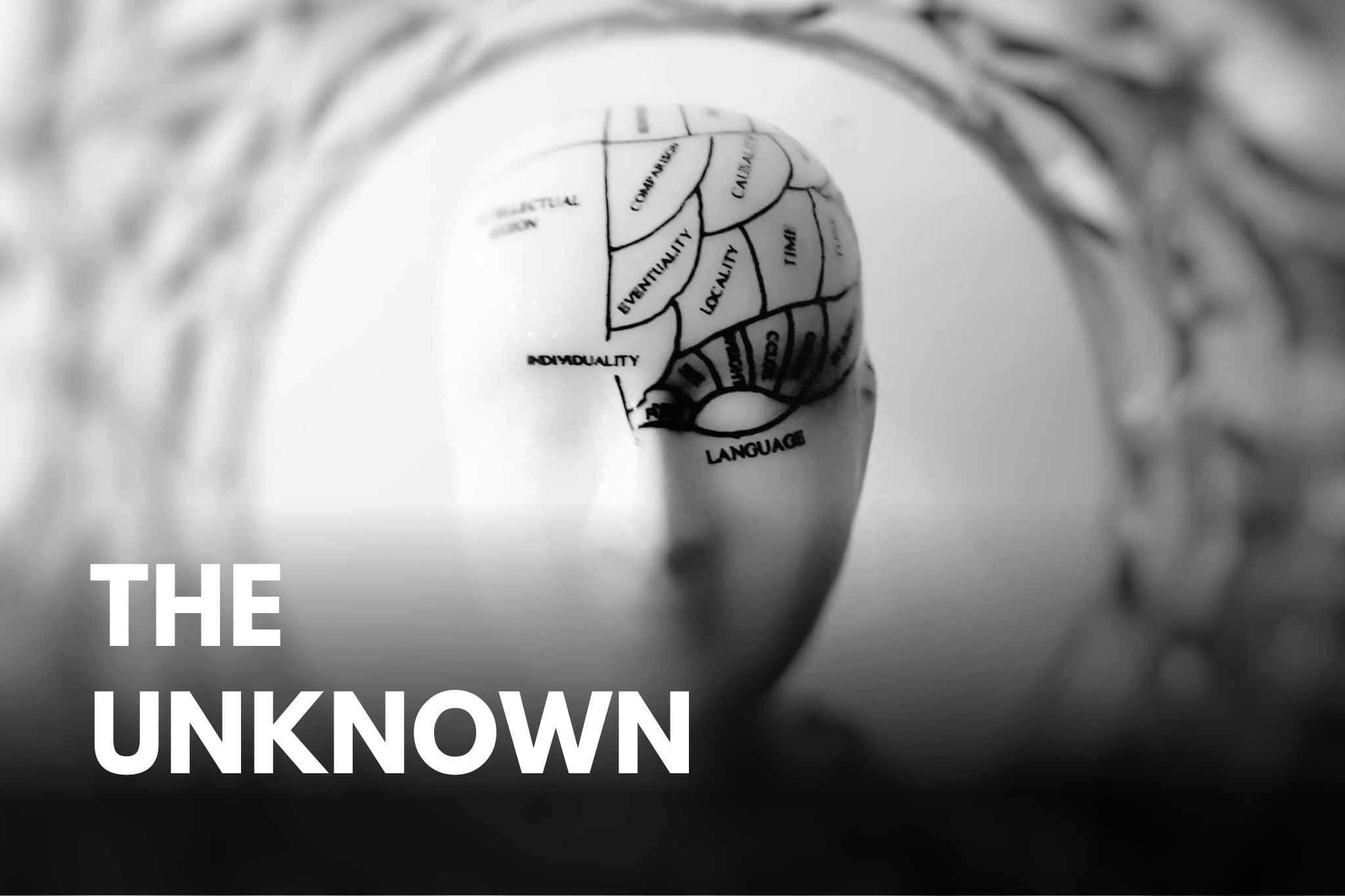
In a world increasingly powered by artificial intelligence, certain human capabilities remain fundamentally irreplaceable not because AI lacks the tools, but because it lacks the essence.
Specific knowledge doesn’t have verifiably correct answers – so it’s not something AI can be trained for, either. https://t.co/xQp06XwEIX
— Naval (@naval) December 24, 2025
The Vague Problem Paradox
AI excels at solving well-defined problems with clear parameters. Need code debugged? Pattern recognition in data? Optimization of known variables? AI handles these brilliantly.
But real-world challenges rarely arrive neatly packaged. They come wrapped in ambiguity, contradiction, and context that shifts as you examine it. A struggling business, a fractured relationship, a career pivot these problems resist methodical categorization because their very nature is fluid.

What humans do: We sit with vagueness. We tolerate not knowing. We break down amorphous challenges into workable pieces through intuition, experience, and a felt sense of what matters most in this specific situation.
What AI does: It requires clear inputs to generate outputs. When you feed AI a vague problem, you’ve already done the irreplaceable work translating messy reality into structured language.
The Feel for Reality
Understanding nuance isn’t just about processing information; it’s about inhabiting context. Consider diagnosing why a team isn’t performing. The answer might live in unspoken tension, in what someone didn’t say during a meeting, in the fifteen seconds of hesitation before responding.
AI can analyze meeting transcripts, sentiment in emails, productivity metrics. But it cannot sense the room. It cannot read the micro-expression that signals something deeper. It processes language; humans process meaning beneath language.
Actionable insight: When facing complex interpersonal, cultural, or situational challenges, trust your embodied knowledge. AI can supplement your analysis with data, but your instinct about “something feeling off” remains the starting point AI cannot reach on its own.
The Journey Versus the Destination
True research the kind that shifts paradigms follows unexpected paths. You investigate question A, stumble upon anomaly B, which leads you to reconsider assumption C, ultimately arriving somewhere you never intended.
AI generates research papers by synthesizing existing information. This is valuable. But it operates within the boundaries of what’s already known, recombining established ideas in logical ways.

What humans do: We discover by wandering. We notice what doesn’t fit. We pursue hunches that make no logical sense until suddenly they do. The penicillin mold, the microwave oven, Post-it notes accidents noticed by minds alert to significance.
Actionable practice: When researching, allow yourself detours. That tangent might be the point. AI can gather information along your path, but only you can recognize when the path itself should change.
The Indirect Solution
“How do I get rich?” isn’t solved by a formula. It’s solved through learning what you’re good at, trying ventures, failing, adjusting course, persevering through setbacks, applying lessons that only make sense in hindsight.
This iterative, experience-based approach requires something AI fundamentally lacks: skin in the game. Stakes. The lived consequence of failure and success that reshapes understanding in ways no dataset can replicate.
The human advantage: You have a lifetime of experiential learning that informs judgment. Each failure teaches nuances that can’t be articulated in training data. You develop what we might call wisdom the ability to know which methodical approach fits this particular messy situation.
Working With AI, Not For It
The question isn’t whether AI can eventually simulate these human capabilities. It’s whether that simulation matters when the real thing requires:
- Embodied experience you’ve lived through
- Tolerance for productive confusion while solutions emerge
- Contextual judgment honed through consequence
- The ability to change the question when the answer reveals the question was wrong
These four capabilities aren’t random they’re what Notion Elevation’s Human Operating System names directly: Judgement, Taste, Critical Thinking, and Instinct. AI can process information; it can’t weigh it the way judgement does, prefer one direction over another the way taste does, or sense when something’s off the way instinct does. The skills this article describes aren’t a workaround for AI’s limits they’re the Human Operating System, applied to a world that now includes AI as a tool inside it.
Your actionable strategy: Use AI to handle the methodical, the repetitive, the pattern-based. Free yourself to do what only humans do inhabit uncertainty, feel context, wander purposefully, and forge paths that don’t yet exist.
The future isn’t human versus AI. It’s humans amplified by AI but only if we remain clear about what we’re amplifying and what we’re preserving as distinctly, irreplaceably ours.
Bottom line: AI can improve your efficiency in solving defined problems. But identifying which problem actually matters, navigating ambiguity to reach it, and developing solutions through lived experience remains human territory. Master both your irreplaceable skills and your AI tools, and you’ll be positioned perfectly for a world that needs both.
TRY THESE TOOLS
FAQs
Can AI replace human problem-solving skills in business?
No, AI cannot fully replace human problem-solving in business contexts. While AI excels at analyzing data and solving well-defined problems, it struggles with ambiguous, real-world business challenges that require contextual judgment, emotional intelligence, and the ability to work with vague parameters. Successful entrepreneurs and business leaders use AI as a tool to enhance efficiency, but rely on uniquely human skills reading organizational culture, navigating stakeholder relationships, and making decisions amid uncertainty to drive strategic outcomes. The most valuable approach combines AI’s analytical power with human intuition and experience.
What skills should I learn that AI cannot automate?
Focus on developing skills rooted in human experience and contextual judgment: complex problem decomposition (breaking down vague challenges into actionable steps), emotional and cultural intelligence, creative research that explores unexpected connections, adaptive learning through trial and error, and strategic thinking that changes direction based on emerging insights. These capabilities require embodied experience, nuanced interpretation, and tolerance for ambiguity areas where AI remains fundamentally limited. Professionals who master these skills while leveraging AI for data analysis, automation, and pattern recognition position themselves as irreplaceable in the evolving job market.
How can entrepreneurs use AI without losing competitive advantage?
Entrepreneurs maintain competitive advantage by using AI for efficiency while preserving human judgment for strategy. Deploy AI to automate repetitive tasks, analyze market data, generate content drafts, and identify patterns in customer behavior. Reserve your human expertise for: identifying which problems actually matter to solve, understanding nuanced customer needs that surveys don’t capture, pivoting strategy based on gut instinct and market feel, and building relationships that require trust and authenticity. Your competitive edge lies in the indirect, experiential problem-solving AI cannot replicate the learned wisdom from failures, adjusted approaches, and perseverance that forges unique market positions.
What is the difference between AI research and human research capabilities?
AI research synthesizes and recombines existing information methodically, producing outputs based on established patterns and data. Human research follows a journey-based approach where discoveries emerge from unexpected connections, pursued hunches, and noticed anomalies. Breakthrough innovations often result from wandering down tangents, recognizing significance in accidents, and asking entirely new questions capabilities requiring curiosity, lived experience, and the ability to see beyond logical patterns. While AI accelerates literature reviews and data analysis, transformative research demands human researchers who can recognize when the path itself should change, pursuing insights that make no sense until they revolutionize understanding.
How do I build wealth using AI tools effectively?
Building wealth isn’t a direct formula AI can solve it’s an iterative journey requiring learning, experimentation, adjustment, and perseverance. Use AI tools to optimize specific wealth-building components: market analysis, investment research, financial planning calculations, and business process automation. However, true wealth creation depends on uniquely human capabilities AI cannot provide: identifying opportunities through lived experience, developing skills through trial and error, building valuable relationships, making strategic pivots based on lessons learned, and persisting through setbacks with adjusted approaches. The most successful wealth-builders combine AI’s analytical efficiency with human judgment about which opportunities to pursue, when to adjust course, and how to apply hard-won wisdom to emerging challenges.
What is the best Notion template for building a personal operating system?
A personal operating system in Notion should do more than store tasks. It should help you organize knowledge, manage commitments, track progress, and create a system for better decisions.
The Ultimate Notion Templates Bundle is designed for people who want a connected workspace rather than isolated templates. It combines productivity, planning, and knowledge systems into one environment.
For a deeper approach to building human-centered systems, explore the Human Operating System Framework, which focuses on strengthening judgment, creativity, and intentional action alongside digital tools.
What is the best second brain template for organizing ideas and knowledge?
The best second brain template is one that helps you transform scattered information into a connected knowledge system.
Super Brain for Notion helps you capture ideas, organize information, connect concepts, and create a searchable personal knowledge management system.
This supports the principles behind the Human Operating System Framework by reducing cognitive overload and allowing humans to spend more energy on judgment, creativity, and meaningful thinking rather than trying to remember everything.
How can I use Notion to improve focus and productivity?
Improving focus with Notion requires more than creating more task lists. A strong productivity system helps you decide what matters, organize commitments, and reduce mental friction.
Getting Things Done for Notion provides a structured workflow for capturing tasks, clarifying next actions, organizing projects, and managing responsibilities.
It supports the human skills highlighted in the Human Operating System Framework by helping people spend less time managing information and more time applying judgment and creativity.
What Notion template is best for creators managing ideas, projects, and content?
Creators need systems that protect creativity while reducing operational complexity.
A strong creator workspace should help manage ideas, content pipelines, projects, research, and execution without replacing the creative process.
The Ultimate Notion Templates Bundle provides a foundation for building a connected creator operating system, while frameworks like the Creator Automation Ladder help creators understand where AI and automation can support their workflow without replacing human creativity.
How do I build a workflow where AI enhances my creativity instead of replacing it?
The strongest AI workflows do not remove humans from the process. They amplify human strengths such as creativity, decision-making, taste, and strategic thinking.
The Human Operating System Framework explores how to build systems around uniquely human capabilities, while Notion systems can help organize the knowledge, projects, and decisions behind creative work.
For implementation, tools like Super Brain for Notion and Getting Things Done for Notion help create the structure needed to combine human judgment with AI-powered execution.
References
Koning, R. M., Hasan, S., Chatterji, A. and Nanda, R. (2024) ‘The uneven impact of generative AI on entrepreneurial performance’, Harvard Business School Working Paper, No. 25-012. Available at: https://www.hbs.edu/bigs/artificial-intelligence-human-jugment-drives-innovation (Accessed: 5 February 2026).
Rigobon, R. and Loaiza, I. (2025) ‘The EPOCH of AI: human-machine complementarities at work’, MIT Sloan School of Management Research Paper. Available at: https://mitsloan.mit.edu/press/new-mit-sloan-research-suggests-ai-more-likely-to-complement-not-replace-human-workers (Accessed: 5 February 2026).
Dell’Acqua, F., McFowland III, E., Mollick, E., Lifshitz-Assaf, H., Kellogg, K. C., Rajendran, S., Krayer, L., Candelon, F. and Lakhani, K. R. (2023) ‘Navigating the jagged technological frontier: field experimental evidence of the effects of AI on knowledge worker productivity and quality’, Harvard Business School Working Paper, No. 24-013. Available at: https://www.hbs.edu/faculty/Pages/item.aspx?num=64700 (Accessed: 5 February 2026).