
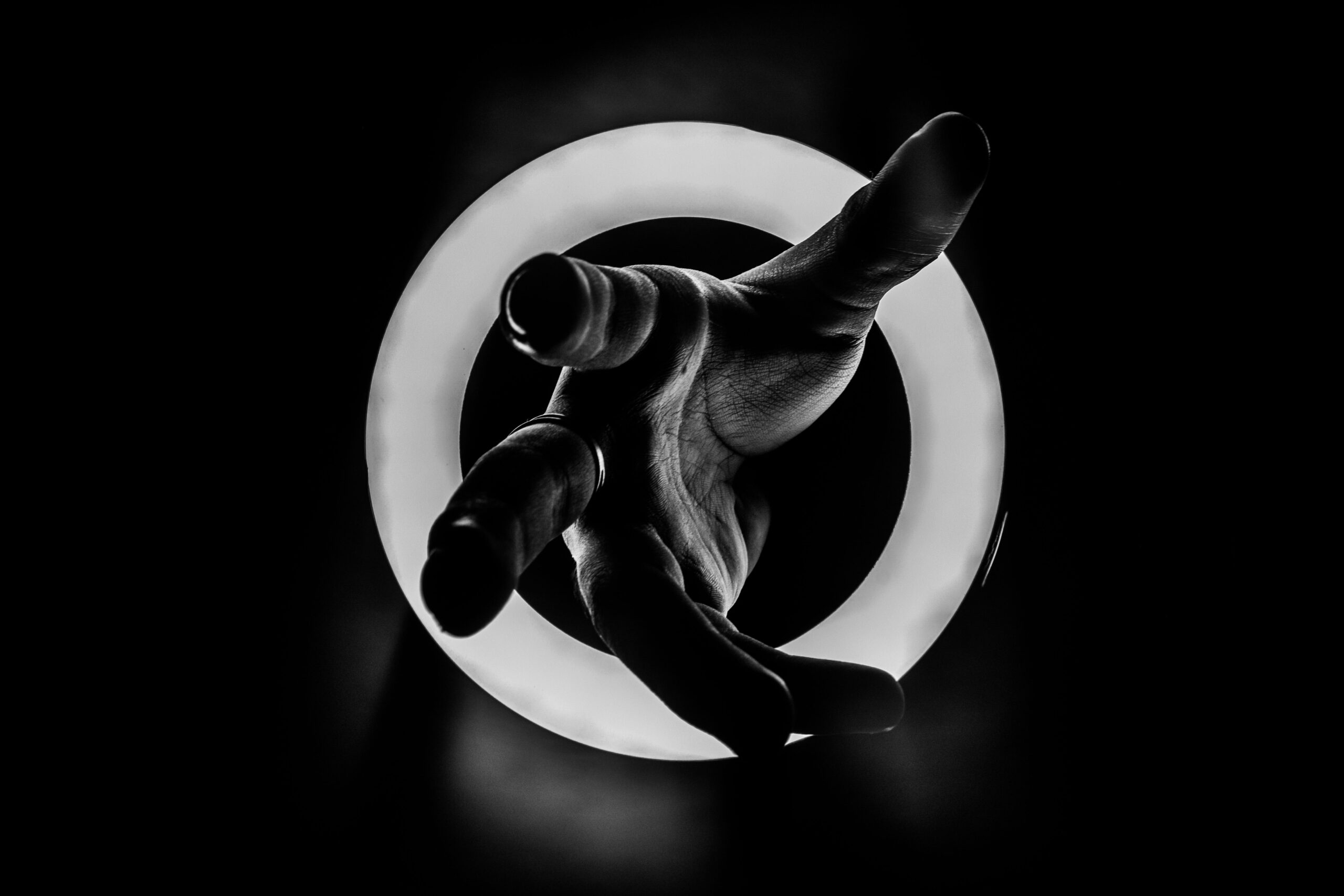
As we advance technologically the more we crave things that mean something and that are real or physical ownership rather than paying to keep things you don’t actually own.
Not because the product demands it because the system around it is built so convenience and ownership feel like the same thing. They are not. A subscription is a permission slip. The moment you stop paying, the permission is revoked, and everything you built on top of it goes dark with it.
This isn’t an argument against digital tools. You need them. They do things paper and memory cannot search, sync, scale, automate. No serious system runs without them, and pretending otherwise is its own kind of self-sabotage. The goal was never digital versus physical. The goal is noticing what you’ve quietly handed over in exchange for convenience, and taking some of it back.
Writing is the cheapest agency you have.
It costs nothing and it asks everything of you. Type fast enough and the words pass through you without staying. Write by hand, in a rhythm you’ve built over time, and the words become an extension of your own thinking not a transcript of it. That difference is not sentimental. It’s structural. One process is borrowed. The other is yours.
“The medium is the message.“
Marshall McLuhan
The plan you can’t see isn’t a plan. It’s a file.
A system can be perfectly designed, clearly laid out, and still do nothing because it’s sitting as a PDF on a phone three taps deep in a file manager you forgot you organized that way. Compare that to the same system printed and pinned to a wall. No search. No app. Just a glance, and the reminder is already done its job. The simplest interface is sometimes the one that requires no interface at all.
The trade worth making.
A PDF can be edited, duplicated, improved in seconds that’s real, and it’s not something to give up. But a PDF can also vanish: a deleted account, a dead subscription, a platform that changes its terms. Physical things fail differently. They get lost or worn, never deplatformed.
The answer isn’t choosing one. It’s making the physical copy a deliberate step in the system, not an afterthought to it. Build the plan digitally refine it, version it, let the tools do what only they can do. Then, on a real cadence, print it. Pin it. Hold it. That single act is where agency quietly returns to you, because nobody can revoke a piece of paper for non-payment.

Where to Start. Not Everything Only What Matters.


Print …..pin up see what the composition gives you or creates. A small thermal printer is the bridge for this but worth picking the right one for the job, not just the cheapest one. Here are some options.
| Brother PocketJet 7 | Phomemo M08F | |
|---|---|---|
| Page format | Full-page printing | Full-page printing (A4/Letter) |
| Resolution | High-resolution thermal | 203 DPI thermal |
| Speed | Up to 9.8 ppm / 1.6 in/sec | 13mm/s |
| Power | Mains/battery, vehicle mount options | Built-in 1200mAh battery, ~140 pages/charge |
| Warranty | 2-year limited | Varies by retailer, typically 1-year |
| Best fit | Field service, business, enterprise workflows | Individuals, students, mobile creators also widely sold as a tattoo-stencil printer |
| Brother PocketJet 7 | Checkout the Phomemo M08F “USE CODE; Supreme10 to get 10% off” |
Brother leans corporate built for people who print contracts in the field, not people pinning a weekly plan to a wall. Phomemo leans personal lighter, battery-first, built for someone printing for themselves rather than for a business workflow. Neither is “better.” One is built for the system stage you’re actually trying to serve: turning a digital thought into something you can hold.
Print something this week. Not everything , one page. The plan that matters most right now. Then put it somewhere you’ll see it without looking for it.
That’s the whole practice.
FAQs
Doesn’t owning a printer just mean buying another digital product?
No the printer isn’t the point, it’s the bridge. The output is what matters: a physical page that exists independent of any account, subscription, or platform. The printer is infrastructure for ownership, not another thing to be subscribed to.
If digital tools are this replaceable, why use them at all?
Because they do things paper can’t search, sync, scale, automate. The argument isn’t digital versus physical, it’s that convenience and ownership got quietly merged into the same idea when they’re not the same thing. Use the digital tools for what they’re actually good at, then deliberately make the result physical.
What’s actually different about writing by hand versus typing the same plan?
Typing moves fast enough that the words can pass through you without staying. Handwriting is slower, and that slowness is what makes it stick research on handwriting versus typing has found broader, more coordinated brain activity during handwriting, tied to regions involved in memory and learning. Same words, different cognitive process.
How often should something actually be printed, not just kept digital?
Not everything that defeats the point and turns printing into clutter instead of ownership. Pick the one plan or system that matters most right now, print that, and put it somewhere you’ll see it without searching for it. The practice is selective by design.



2 responses to “The act of making something physical”
Great content! Keep up the good work!
Much appreciated….