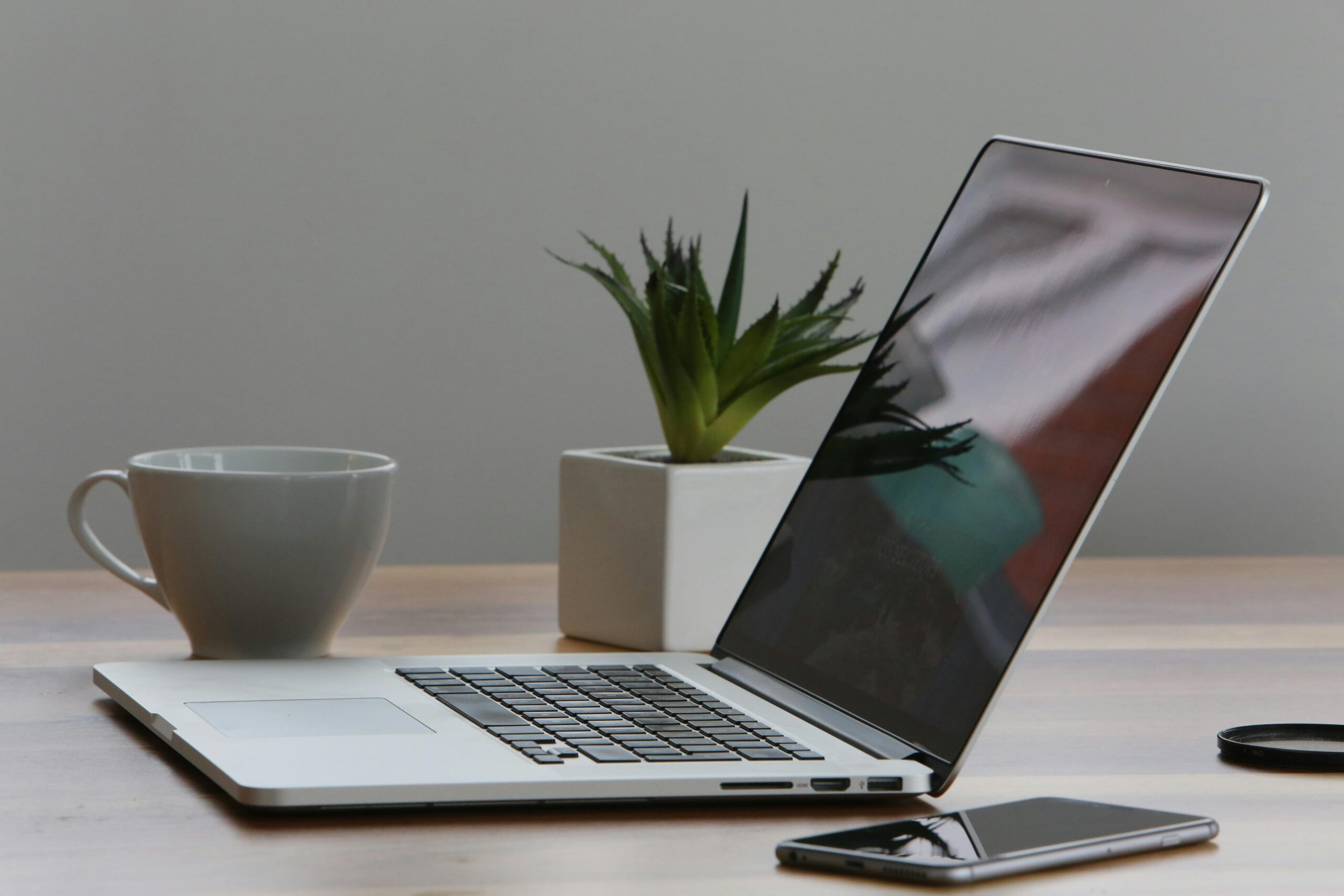
Ever notice how you feel super focused with maximum productivity in some places but completely distracted in others? Here’s one thing we forget about how our enevironment can change the way we feel about ourselves. We have to customize not just for just but in a way that reflects the person we wish to become….because as they say you are a product of your environment. it is not a 100% fix but it helps

Your workspace is never just a workspace. It’s a reflection of who you are.
Comfort, focus, and mood aren’t accidents of a room. They’re a convergence of your preferences, you as an individual, and research-backed knowledge about how humans actually think. Most people never realize how much their environment is quietly dictating all three.
But here’s the part that catches most people off guard: your digital systems and your physical environment don’t automatically sync.
Having a beautifully organized Notion dashboard says nothing about whether your desk is buried under three days of coffee cups. They’re two separate manifestations of the same person and one being in order doesn’t put the other in order for free.
That’s because there are three things at play here, not one: the individual, the digital workspace, and the physical environment. Each one can reflect who you’re becoming, or quietly work against it, independently of the other two.
This is why a perfectly systemized Notion setup can still leave someone distracted and unfocused. The system was digital. The distraction was physical. Fixing one doesn’t automatically fix the other. That’s exactly why this article exists alongside your digital-workspace content instead of being redundant with it.
Why Your Physical Space Affects How Much You Get Done
Your brain is constantly taking in information from your surroundings, even when you don’t realize it. Messy desk? Your brain has to work harder to filter out distractions. Too hot or too cold? Your body uses energy trying to regulate temperature instead of focusing on your work. Bad lighting? Your eyes strain, which makes you tired faster.
Scientists have studied this stuff for years and found some pretty amazing things. People working in spaces with plants get 15% more work done than people in plain offices. Workers in rooms with natural light sleep better at night and feel more alert during the day. Even something as simple as the right temperature can make you 10% more productive.
The cool thing is, once you understand how your environment affects your brain, you can use it to your advantage. Instead of fighting against distractions, you can create a space that naturally helps you focus and feel good while you work.
This isn’t just a physical-space tip. It’s the same argument Notion Elevation makes about digital workspaces, one layer earlier.
Your physical desk is the Analog Layer of the Creator Stack Map the thinking layer, before anything gets captured or systemized. A cluttered desk produces cluttered thinking for the same reason a cluttered Notion workspace does: your brain can’t tell the difference between physical noise and digital noise. Both cost the same attention.
See how this applies to your workspace as a mirror of your mental model →
How to Set Up Your Workspace for Maximum Focus

1. Get Your Lighting Right (It’s More Important Than You Think)
Good lighting might be the most important thing for productivity that nobody talks about. Bad lighting doesn’t just hurt your eyes it affects your mood, energy, and how well you can concentrate.
Natural light is the gold standard. If you can work near a window, do it. But don’t sit facing directly into bright sunlight – that’ll just give you a headache. Instead, try to have the light coming from the side or from behind your computer screen.
2. Find Your Perfect Temperature (It’s Different for Everyone)
Temperature might seem like a small thing, but it has a huge impact on how well you can think. When you’re too hot, you feel sluggish and can’t concentrate. When you’re too cold, you’re distracted by being uncomfortable.
Research shows that most people focus best when it’s between 68-76 degrees Fahrenheit, with around 70-72 being the sweet spot for most folks. But everyone’s different, so pay attention to how you feel at different temperatures.
3. Add Some Green to Your Space (Plants Are Productivity Boosters)

This might sound weird, but having plants around actually helps you focus better and feel less stressed. You don’t need to become a plant expert even one small plant on your desk can make a difference.
Why do plants help? Scientists think it’s because humans evolved in natural environments, so being around green things helps our brains relax and focus. Plants also clean the air, which means you’re breathing better while you work.
4. Organize Your Space (But Don’t Go Overboard)
A messy workspace forces your brain to work harder because it’s constantly processing all the visual clutter. But you don’t need a perfectly organized space either that can feel cold and uninspiring.
Try this simple rule: if you can find what you need within 30 seconds, your organization is probably fine. If you’re constantly hunting for things or feeling distracted by clutter, it’s time to tidy up.
5. Control Noise and Distractions
Some people work best in complete silence, while others need background noise to focus. Figure out what works for you and try to create that environment.
If you need quiet but can’t control the noise around you, try noise-canceling headphones or earplugs. If you like background noise, experiment with different types – some people focus better with instrumental music, others prefer nature sounds or white noise.
The key is consistency. Your brain learns to associate certain sounds with work time, so try to use the same audio environment when you need to focus.
Productivity Hacks for Different Types of Spaces
How to Be Productive in a Small Space
Make your space feel bigger by using vertical storage – shelves, wall organizers, or even just a bulletin board to get things off your desk. Use light colors when possible, as they make spaces feel larger and brighter.
Create boundaries even in a small space. Maybe your “office” is just one corner of your bedroom, but use a room divider, curtain, or even just a different colored rug to mark it as your work zone.
Working from Your Bedroom (When You Have No Choice)
Sometimes your bedroom is the only quiet space you have. That’s okay, but you need to be strategic about it.
If possible, don’t work from your bed it confuses your brain about whether it’s time to work or sleep. Instead, set up a small desk or table, or even just claim one corner of your room as your work area.
Make your work area feel different from the rest of your bedroom. Face a different direction than you do when you sleep, use different lighting, or put on “work clothes” even if you’re staying in your room.
When you’re done working, physically put your work stuff away or turn your chair away from your work area. This helps your brain shift from work mode to relaxation mode.
Making the Most of Shared Spaces
Working at the kitchen table or in a living room that other people use? Here are some tricks to stay productive:
Use headphones to create your own audio bubble. Get a portable organizer or basket to keep your work stuff together you can set it up quickly when you need to work and pack it away when you’re done.

Communicate with the people you share space with. Let them know when you need quiet time to focus, and be willing to compromise on timing.
Consider working during off-peak times when the space is naturally quieter, like early mornings or late evenings.
How to Improve Your Physical Health While You Work
Your physical health and your ability to focus are connected. When your body feels good, your brain works better too.
Set Up Your Desk to Avoid Pain
Neck and back pain from bad posture don’t just hurt they also make it harder to concentrate. You don’t need expensive ergonomic furniture, but you do need to think about how you’re sitting.
Your computer screen should be at eye level so you’re not looking up or down. If you’re using a laptop, try putting it on some books and using an external keyboard, or just prop up the screen part.
Your feet should be flat on the floor, and your arms should be roughly parallel to the ground when you type. If your chair is too high or low, use cushions or a footrest to adjust.
Remember to Move
Sitting still for hours isn’t just bad for your body – it also makes your brain sluggish. Try to move around for a few minutes every hour or so.
This doesn’t have to be complicated. Stand up and stretch, walk to get some water, or do a few jumping jacks. Even just standing while you read emails can help.
Some people like to set a timer to remind them to move. Others take phone calls while walking around. Find what works for your schedule and stick with it.

Natural Ways to Boost Productivity Through Your Environment
Use Scents Strategically
Certain smells can actually help you focus better. Peppermint and citrus scents tend to make people feel more alert, while lavender can help reduce stress (but might make you too relaxed for work).
Let Fresh Air In
Stuffy air makes you tired and foggy. If possible, crack a window or use a fan to keep air moving. Fresh air has more oxygen, which helps your brain work better.
If you can’t get fresh air, at least make sure you’re not working in a completely closed-off space for hours at a time.
Think About Colors

While you probably can’t repaint your workspace, you can add small touches of color that help you feel more productive. Blue and green tend to be calming and help with focus, while small touches of red or yellow can boost energy.
This could be as simple as using a colorful notebook, getting a bright desk lamp, or adding a colorful piece of art to your space.
Making Your Environment Work for You Long Term
There’s a difference between organizing your environment and customizing it. Only one of the two actually changes how you feel about yourself.
Organizing a desk makes it functional. Customizing it means choosing what belongs there because it reflects who you actually are, not just what’s tidy. That’s what makes it yours. This is the same mechanism as the IKEA effect: you don’t value a space more because it’s efficient. You value it more because your own choices are embedded in it.
And here’s the sharper version of that idea: customize not just for comfort, but for the person you’re trying to become. A desk that reflects who you already are will keep you comfortable. A desk that reflects who you’re building toward will quietly pull you in that direction every time you sit down.
You are, to a real extent, a product of your environment. That’s not a guarantee no desk setup will do the identity work for you, and this isn’t a 100% fix. But an environment that reflects who you’re becoming will help. One that doesn’t will quietly work against you, whether you notice it or not.
That’s identity shift, showing up in the most physical way possible not a mindset, but a room.
Your environment was never separate from your systems. It was always part of one.
The individual, the digital workspace, and the physical environment aren’t three different projects to manage they’re three surfaces of the same person, and neglecting any one of them shows up as friction in the other two. A perfectly systemized Notion dashboard can’t compensate for a desk that’s working against you, and a beautiful physical space can’t fix a digital system that’s scattered.
None of this requires a bigger budget or a fancier office. It requires noticing which of the three you, your digital systems, your physical space is quietly out of sync with the other two, and treating that gap as real, not incidental.
See how this same principle applies to your digital workspace →
FAQs
What are the best habits for productivity at work?
The best habits for productivity at work include time blocking, setting clear priorities, and minimizing distractions like unnecessary notifications. Small practices such as preparing a to-do list the night before, using the Pomodoro technique, and starting with the hardest task (known as “eating the frog”) can significantly boost focus and efficiency.
Which daily habits improve productivity the most?
Daily habits for productivity that work consistently are:
- Reflecting at the end of the day to track progress.
These daily habits create momentum and make it easier to sustain high performance. - Morning routines that energize you (exercise, journaling, or meditation).
- Batching similar tasks to avoid constant switching.
- Taking short breaks to reset focus.
How can I increase productivity with simple habits?
You can increase productivity with simple habits such as:
- Turning off multitasking and focusing on one task at a time.
Over time, these simple habits for productivity compound into big results. - Decluttering your workspace to reduce mental noise.
- Setting a single “most important task” (MIT) each day.
Drinking enough water and moving regularly to maintain energy.
What are good habits for staying focused and productive?
Good habits for staying focused include practicing deep work sessions, using apps or timers to avoid distractions, and creating environmental cues (like keeping your phone away from your desk). Productivity habits like setting boundaries with meetings and emails also protect your focus so you can get meaningful work done.
Are productivity hacks better than long-term habits?
Productivity hacks can provide quick wins, but long-term habits for productivity are what create lasting change. Hacks like shortcut tools or new apps may help temporarily, but building habits such as planning your day, consistent sleep, and intentional focus ensures you don’t just work faster but also work smarter and sustainably.
Does a messy desk actually hurt productivity, or is that exaggerated?
Visual clutter forces your brain to actively filter it out, which uses attention that would otherwise go toward the task itself. The fix isn’t a perfectly organized desk it’s “organized enough” that you can find what you need in under 30 seconds.
What’s the single highest-impact change to a workspace, if I can only make one?
Lighting. It affects mood, eye strain, and energy more than most people expect, and it’s usually the cheapest fix available a decent desk lamp solves most of the problem.