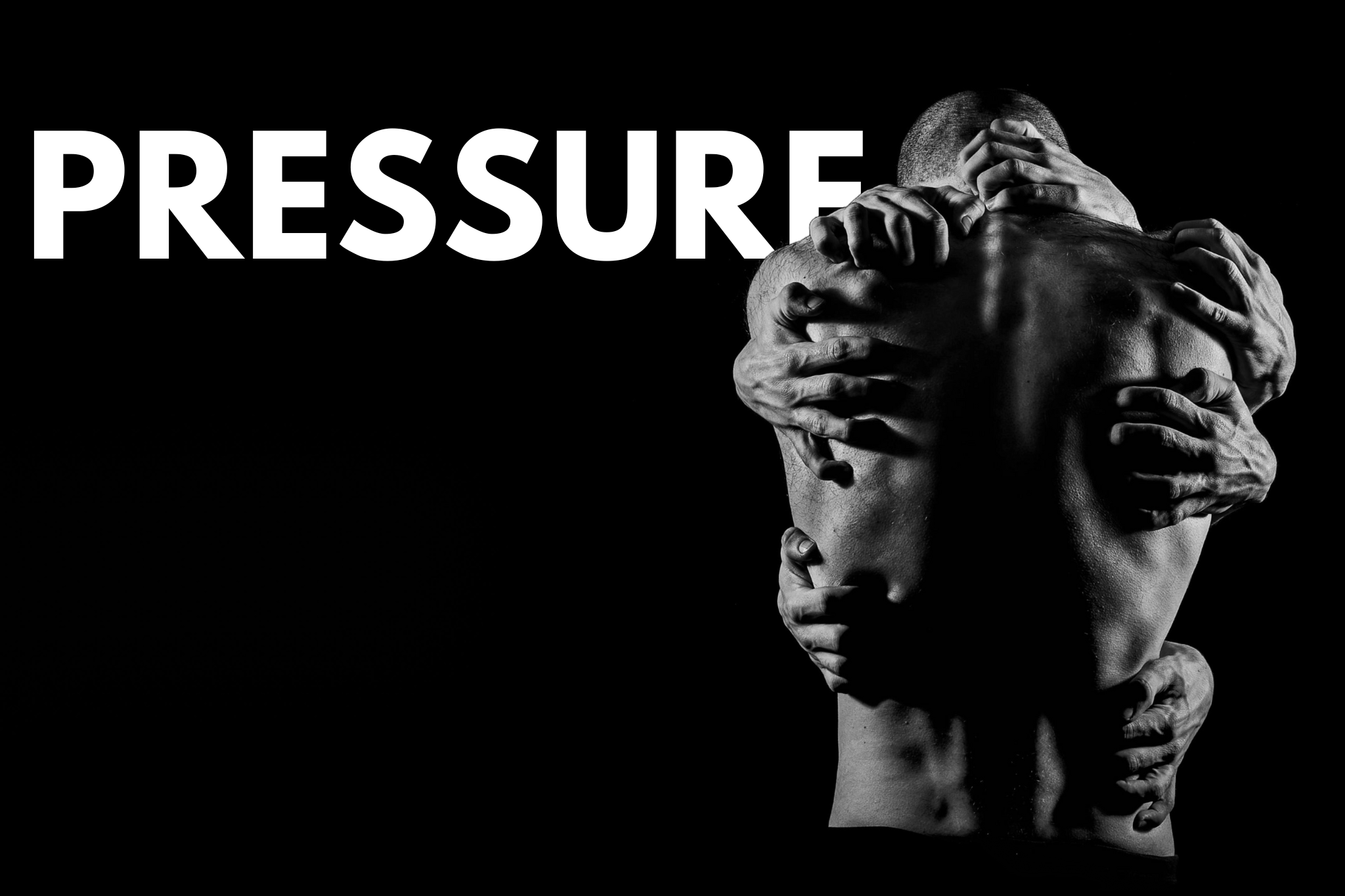
Getting things done under pressure comes down to five moves: focus only on the highest-impact task, decide fast instead of overthinking, reuse work you’ve already done instead of starting from zero, find a calming anchor to counter stress, and pick whatever method (old or new) gets the result fastest. None of these require more time they require cutting the things that waste the time you have.

5 Proven Strategies
Pressure is inevitable in today’s fast-paced world. Whether you’re facing a tight deadline at work, juggling multiple responsibilities, or dealing with unexpected challenges, knowing how to maintain productivity under stress can make all the difference. Here are five practical strategies to help you accomplish your goals even when the pressure is on.
1. Focus on What Matters Most
When you’re under pressure, the temptation to tackle everything at once can be overwhelming. However, this scattered approach often leads to burnout and subpar results. Instead, identify your highest-priority tasks and channel your energy there.
Ask yourself: What will have the greatest impact if completed? Focus on tasks that align with your main objectives and let go of perfectionism on less critical items. This selective focus allows you to deliver meaningful results where they count most, rather than spreading yourself too thin across numerous activities.
2. Be More Decisive and Act Quickly

Time pressure has a hidden advantage: it forces you to make decisions faster. When you have abundant time, overthinking becomes easy. You second-guess yourself, seek endless opinions, and delay action while waiting for perfect clarity.
Under pressure, you don’t have that luxury, and that’s actually a good thing. Limited time demands decisiveness. Trust your instincts, make informed choices with the information available, and move forward. Remember that a good decision made quickly is often better than a perfect decision made too late. Action beats analysis paralysis every time.
3. Build on What You Already Have
Don’t reinvent the wheel when time is scarce. Look for information, resources, and previous work that can support or enhance what you’re currently doing. Have you completed a similar project before? Use that framework. Does someone else have data or insights that complement your work? Incorporate them strategically.
This approach isn’t about cutting corners; it’s about working efficiently. By leveraging existing materials and knowledge, you save valuable time and mental energy that can be directed toward the unique aspects of your current task. Think of it as standing on the shoulders of your past accomplishments.
4. Find Your Calm Anchor
Stress and pressure can hijack your nervous system, making clear thinking and productivity difficult. That’s why it’s essential to have something that helps calm your nerves and maintain focus.
For many people, background music works wonders. Classical music, lo-fi beats, or nature sounds can create a productive atmosphere that drowns out distractions and reduces anxiety. Others find that brief meditation breaks, deep breathing exercises, or even a short walk can reset their mental state.
Experiment to discover what works for you, then make it a consistent part of your pressure-response toolkit. When you can calm your nerves, you unlock your ability to forge ahead with clarity and confidence.
5. Work Smarter, Not Just Harder
Pressure doesn’t mean you should automatically default to old methods or stubbornly resist new tools. Instead, be pragmatic and decisive about choosing the approach that gets results fastest without compromising quality.
If a new software tool, AI assistant, or productivity technique can help you execute tasks more efficiently, embrace it. Don’t waste time in the slow lane out of habit or resistance to change. Conversely, if traditional methods have proven effective and reliable for you, stick with them rather than experimenting with unproven alternatives during crunch time.
The key is flexibility combined with decisiveness. Evaluate your options quickly, choose the method most likely to succeed, and commit to it fully. The worst choice under pressure is indecision about which approach to use.
Putting It All Together
Working under pressure doesn’t have to mean sacrificing quality or burning out. By focusing on priorities, making swift decisions, building on existing work, maintaining your calm, and choosing the most effective methods, you can not only survive high-pressure situations but actually thrive in them.
These strategies work because they align with how our brains function under stress. They reduce cognitive load, minimize decision fatigue, and help you channel pressure into productive energy rather than paralyzing anxiety.
The next time you find yourself under the gun, remember: pressure reveals what we’re truly capable of achieving when we work with intention and intelligence.
Put a Number on the Pressure You’re Under
These five strategies work best once you know how much runway you actually have. Try the Deadline Pressure Meter → turns “I’m under pressure” into a concrete number, so step 1 (focus on what matters most) has something real to prioritize against.
FAQs
How do you stay productive when working under pressure?
Focus only on your highest-impact task, decide quickly instead of overthinking, reuse work and resources you already have, find a calming anchor like music or a short walk, and pick whichever method gets results fastest, whether that’s a new tool or one you already trust.
What’s the fastest way to decide what to work on first under a deadline?
Ask what will have the greatest impact if completed, then commit to that and let go of perfectionism on everything else. A scattered approach across many tasks under pressure usually leads to burnout and weaker results than a narrow focus does.
Is it better to reuse old work or start from scratch when I’m short on time?
Reuse what you already have. Look for a similar past project, existing data, or someone else’s relevant work you can incorporate. This isn’t cutting corners, it’s redirecting your limited time and energy toward the parts of the task that are actually new.
How do I stop overthinking decisions when time is short?
Trust your instincts and act on the information you already have instead of waiting for perfect clarity. A good decision made quickly is usually better than a perfect decision made too late, time pressure removes the luxury of endless second-guessing.
Should I try a new productivity tool during a crunch, or stick with what already works?
Whichever gets the result fastest without hurting quality. If a new tool or method would genuinely speed things up, use it, if your existing approach is already proven and reliable, don’t waste time experimenting during crunch time.
Related Images

References.
Amabile, T.M., Mueller, J.S., Simpson, W.G., Hadley, C.N., Kramer, S.J. and Fleming, L. (2002) ‘Time pressure and creativity in organizations: A longitudinal field study’, Harvard Business School Working Paper, No. 02-073. Available at: https://www.hbs.edu/ris/Publication%20Files/02-073_03f1ecea-789d-4ce1-b594-e74aa4057e22.pdf (Accessed: 11 November 2025).
Chamorro-Premuzic, T. (2022) ‘Can music make you more productive?’, Harvard Business Review, 13 September. Available at: https://hbr.org/2022/09/can-music-make-you-more-productive (Accessed: 11 November 2025).
Korunka, C., Kubicek, B., Prem, R. and Cvitan, A. (2021) ‘Time pressure, performance, and productivity’, in Shipp, A.J. and Fried, Y. (eds.) Time and work, Volume 1: How time impacts individuals. New York: Psychology Press, pp. 108-133.
Ordóñez, L. and Benson, L. (2015) ‘Time pressure perception and decision making’, in Keren, G. and Wu, G. (eds.) The Wiley Blackwell handbook of judgment and decision making. Chichester: John Wiley & Sons, pp. 517-542. Available at: https://www.researchgate.net/publication/270757523_Time_Pressure_Perception_and_Decision_Making (Accessed: 11 November 2025).
Zhou, Y., Ruan, S., Zhang, K., Bao, Q. and Liu, H. (2024) ‘Time pressure effects on decision-making in intertemporal loss scenarios: An eye-tracking study’, Frontiers in Psychology, 15, article 1451674. Available at: https://www.frontiersin.org/journals/psychology/articles/10.3389/fpsyg.2024.1451674/full (Accessed: 11 November 2025).